
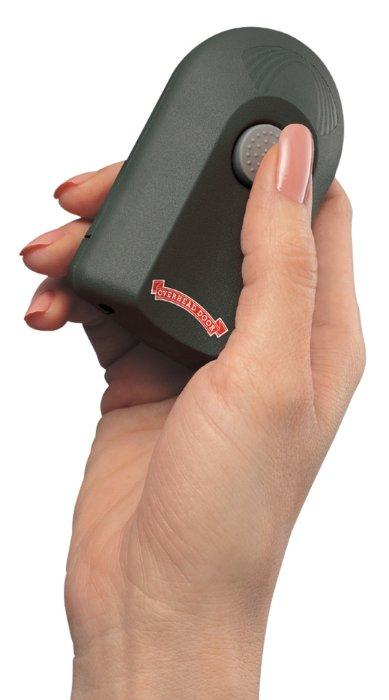
A garage door remote is one of those small conveniences you rarely think about until it stops working. When the door won’t open from your driveway or the remote only responds half the time, daily routines get disrupted fast. The good news is that most garage door remote issues come from a handful of common causes, and many of them can be fixed in a few minutes without tools or professional help. This guide walks through the most frequent problems, what causes them, and how to resolve each one. You’ll also learn when an issue points to something bigger and when it’s time to call in a technician.
Why Garage Door Remotes Fail Over Time
Garage door remotes are built to be durable, but they aren’t designed to last forever. Every press, every battery cycle, and every season of temperature changes adds up. Most failures trace back to a small set of culprits including weak batteries, signal interference from nearby electronics, programming issues, worn buttons, or problems with the opener itself rather than the remote.
Understanding the cause is the first step to a real fix. Replacing a battery when the actual issue is a damaged antenna won’t get you anywhere, and reprogramming a remote that just needs new batteries wastes time. Before assuming the remote is broken, run through the common issues below in order. You’ll save yourself the cost of a replacement remote in most cases, and you’ll have a better sense of when the problem actually lies with the opener.
Dead or Weak Batteries
Battery failure is the single most common reason garage door remotes stop working. Even when a remote still lights up when pressed, the battery may not have enough power to transmit a strong signal. This often shows up as delayed response, inconsistent operation, or a sharp drop in range where you suddenly need to be right next to the garage for the door to respond.
Replacing the battery is straightforward. Most remotes use a small coin-cell battery, often a CR2032 or CR2025, while older models may use a 9V or AAA. Open the back panel of the remote, note the battery type, and replace it with a fresh one. Be sure to insert it with the correct polarity, since reversing it will prevent the remote from working.
As a general rule, garage door remote batteries last about one to two years with regular daily use. If you’ve had the same battery for longer than that, replacement is a smart starting point even if the remote seems to be working.
Signal Interference From Nearby Devices
Garage door remotes use radio frequency signals to communicate with the opener, and those signals can be disrupted by other electronics in your home. LED light bulbs are a frequent offender, especially when installed in or near the garage. Wi-Fi routers, smart home hubs, baby monitors, and even neighboring garage door systems can cause similar issues.
Signs of interference include the door responding inconsistently, opening or closing on its own, or working only at certain times of day. If you suspect interference, try turning off nearby electronics one at a time to identify the source. Swapping LED bulbs in the garage opener for incandescent or interference-rated LEDs often solves the problem quickly. Moving the Wi-Fi router away from the opener unit can also help in stubborn cases.
The Remote Needs Reprogramming
Sometimes the remote isn’t broken at all. It just lost its connection to the opener. This often happens after a power outage, a battery change in the opener’s backup system, or after the opener was reset for any reason. New or replacement remotes also need to be paired before they’ll work.
The reprogramming process varies by opener brand and model, but most follow a similar pattern. Locate the learn button on the motor unit, usually under a light cover. Press and release it, then press the desired button on the remote within about 30 seconds. The opener light will typically flash or click to confirm the pairing is complete. Refer to your opener’s manual for exact steps, since timing and button sequence vary.
If the remote pairs successfully but still doesn’t work consistently, the issue likely lies elsewhere.
Damaged or Stuck Remote Buttons
Years of daily use take a toll on remote buttons. Internal contacts wear down, dirt builds up, and over time the button may stop registering presses reliably. If you have to press the button multiple times or apply unusual pressure for the door to respond, the button mechanism may be failing.
In some cases, a thorough cleaning helps. Open the remote, gently clean the contact points with a soft cloth and a small amount of isopropyl alcohol, and let it dry completely before reassembling. If cleaning doesn’t restore reliable operation, replacement is the better option. Remotes are not costly components compared to other parts of the system, and a worn remote will only get worse over time.
Antenna or Receiver Issues on the Opener
The opener itself plays a major role in remote performance. A small antenna hangs from the motor unit and receives the signal from your remote. If the antenna is bent, broken, or tucked up against the motor housing, signal reception drops significantly.
Check the antenna first. It should hang freely and point downward without touching metal surfaces. Straighten it gently if it’s bent and make sure nothing is blocking it. If the antenna looks fine but the remote still struggles to communicate with the opener, the internal receiver may be the issue. Receiver problems usually require professional diagnosis since they involve the opener’s circuit board, and attempting repairs without the right experience can lead to bigger issues down the line.
Range Has Decreased Significantly
If your remote used to work from the end of the driveway but now only responds when you’re a few feet away, the range has dropped. This is one of the most reported issues and almost always traces back to one of three causes: a weak battery, signal interference, or an antenna problem on the opener.
Start with the battery, since that’s the easiest and most common fix. If a fresh battery doesn’t restore range, look at the opener antenna next. Metal siding on the garage, certain weather conditions, and large nearby objects can also reduce range. If you’ve worked through these and the range is still poor, the remote or receiver may be reaching the end of its useful life.
The Remote Works Sometimes But Not Always
Intermittent issues are the most frustrating because they’re harder to pin down. The door opens fine in the morning, then refuses to respond in the afternoon. Often the cause is signal interference that changes based on what other devices are running, or a weak battery that’s on its last legs.
A simple way to isolate the problem is to test the wall-mounted opener button inside the garage. If the wall button works reliably every time but the remote doesn’t, the issue is with the remote or the signal path between the remote and the opener. If the wall button also has problems, the issue is likely with the opener itself, and that’s a different kind of repair.
When to Replace Your Garage Door Remote
Sometimes the most efficient fix is simply a new remote. If yours is more than ten years old, has visible damage, or has been through multiple battery and reprogramming cycles without lasting improvement, replacement makes sense.
When buying a replacement, compatibility is the most important factor. The new remote needs to match your opener’s brand and frequency. Universal remotes work with many models but check the compatibility list before purchasing. Some newer openers use rolling code technology that requires specific remote types for security purposes, so matching the model to your opener is worth the extra minute of checking before you buy.
When to Call a Professional
Most remote issues can be handled at home, but some signs point to bigger problems with the opener system itself. If the door responds intermittently to both the remote and the wall button, opens or closes without any input, or makes unusual sounds when activated, the opener may need professional attention. The same applies if you’ve replaced the remote, checked the battery, and reprogrammed it without improvement.
A professional technician can diagnose receiver issues, inspect the opener’s circuit board, and check for related problems with door balance, springs, or safety sensors. These issues often hide behind what looks like a simple remote problem, and catching them early prevents larger repairs later.
Keep Your Garage Door Remote Working Reliably
Garage door remotes are easy to take for granted until they stop working. With a few basic troubleshooting steps you can resolve most issues yourself, but knowing when an issue is beyond a DIY fix matters just as much. Regular attention to both the remote and the opener keeps everything running smoothly and helps you avoid surprises during your daily routine.
If your remote keeps acting up after you’ve tried the steps in this guide, the issue may go deeper than the remote itself. Overhead Door Company of the Lowcountry provides expert garage door service for homeowners dealing with persistent remote and opener issues. Reach out today to schedule an inspection and get your garage door responding the way it should.