
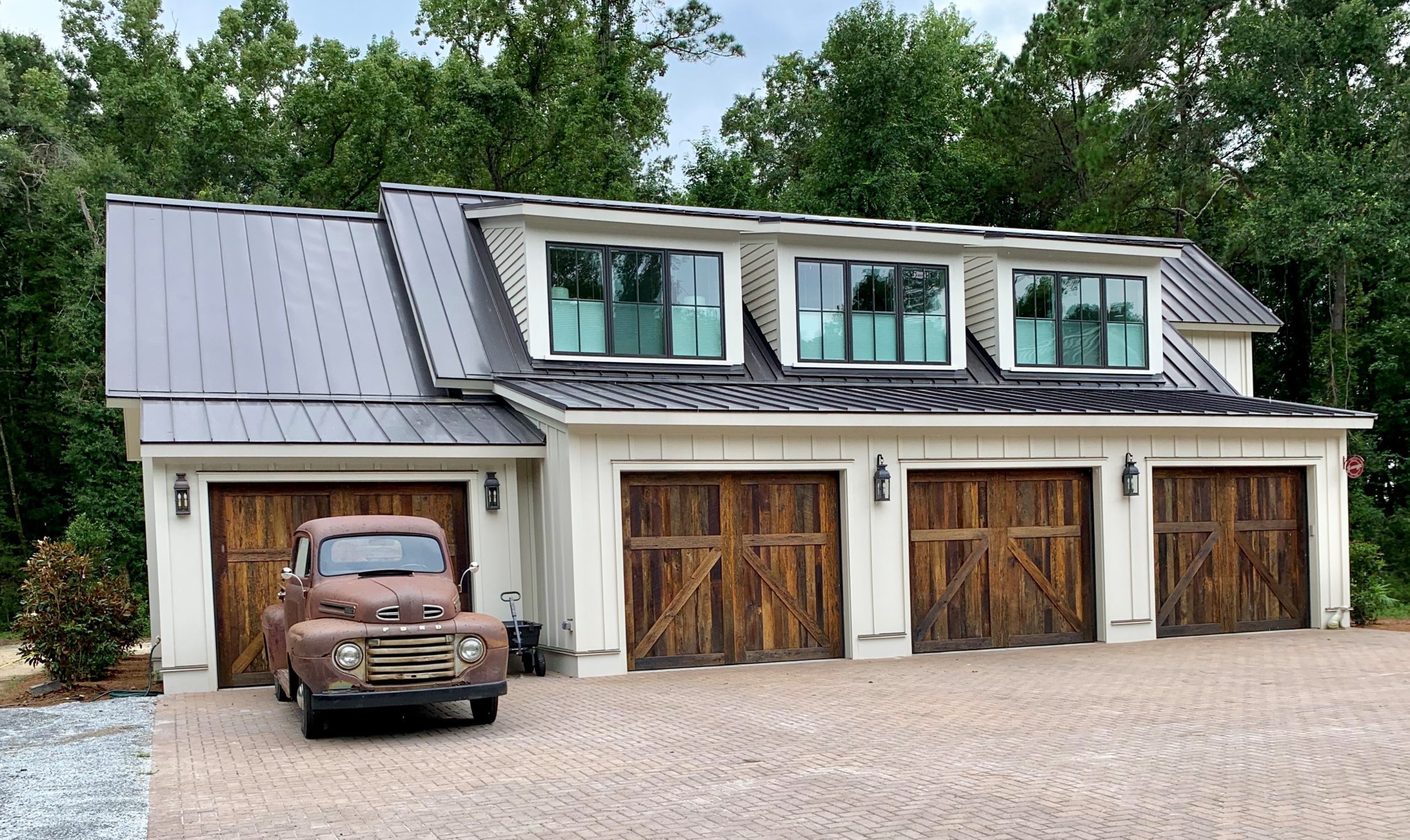
Building a new home is full of choices, and one that often gets less thought than it deserves is the garage door. That single feature takes up a large share of your home’s front exterior, affects energy efficiency, and shapes the first impression visitors get. The right garage door can elevate the entire look of a new build while keeping your home secure and comfortable for decades. This guide walks through the best garage door options for new homes, including materials, styles, insulation, smart features, and what to consider before deciding.
Why the Right Garage Door Matters in New Construction
The garage door is one of the most visible parts of any home. On many new builds, it takes up 30 percent or more of the front-facing exterior, which means it has a major impact on curb appeal. A well-chosen door can tie the design together. A poorly chosen one can throw off the entire facade.
Beyond looks, the garage door plays a real role in energy efficiency, especially for homes with attached garages. It affects how much heat or cold passes between your living spaces and the outside. A new home is also the ideal time to invest in the right door, since changes are far more difficult and expensive once construction is complete.
Steel Garage Doors
Steel is by far the most popular garage door material for new homes, and for good reason. Steel doors are durable, low maintenance, and available in a wide range of styles, colors, and finishes. They hold up well in most climates and can be ordered with or without insulation.
The strengths of steel include affordability, strength, and longevity. Modern steel doors come with multiple layers of protection against rust and weathering, making them suitable even for coastal areas when finished properly. Insulation options range from basic to high R-value, giving you flexibility based on climate and budget.
The main considerations with steel are that lower-grade options can dent more easily, and inexpensive models may show rust over time if the finish is not properly maintained. Choosing a higher-quality steel door with a good warranty addresses both concerns.
Wood and Wood Composite Garage Doors
For homeowners who want a high-end, custom look, wood and wood composite garage doors are hard to beat. Solid wood doors bring warmth and character that no other material quite matches, and they can be stained or painted to fit any design.
Wood composite doors offer a similar appearance with less maintenance. These doors use engineered materials with wood overlays or wood-look finishes, giving you the aesthetic without as much upkeep. They resist warping and cracking better than solid wood.
The strengths of wood doors are aesthetics and custom design flexibility. The considerations are cost and maintenance. Solid wood doors require regular refinishing to look their best and come at a premium price. For homes where appearance is the top priority, they remain one of the most beautiful options available.
Aluminum and Glass Garage Doors
Aluminum and glass garage doors have grown in popularity for contemporary new homes. These doors feature aluminum frames combined with full or partial glass panels, creating a sleek modern look that lets natural light into the garage.
The strengths of aluminum and glass doors include their lightweight construction, rust resistance, and striking appearance. They work especially well on modern architecture and homes designed around indoor-outdoor living. Glass options range from clear to frosted to tinted, giving you control over privacy and light.
The main considerations are that aluminum and glass doors offer less insulation by default than steel, and the glass can reduce privacy depending on the type chosen. They also tend to cost more than standard steel. For homes where style is a defining feature and the climate is mild, they offer a look few other materials can match.
Fiberglass and Composite Garage Doors
Fiberglass and composite garage doors are an excellent choice for coastal and humid environments, including much of the Lowcountry. These doors resist rust, salt air, and humidity better than steel, making them a smart fit for homes near saltwater or in areas with heavy moisture.
The strengths include corrosion resistance, lightweight construction, and the ability to mimic wood grain at a lower price point. Fiberglass holds paint well and is easy to maintain.
Considerations include fading over time when exposed to constant direct sunlight and lower impact resistance compared to steel. For coastal homes where climate is the top concern, fiberglass and composite doors deliver strong long term performance with minimal maintenance.
Insulated vs Non-Insulated Garage Doors
One of the most important decisions for a new home is whether to choose an insulated or non-insulated door. Insulation matters because most modern garages share a wall with the home, and an uninsulated door allows outside temperatures to influence the garage and the rooms next to it.
Insulated doors are rated by R-value, which measures how well they resist heat transfer. A higher R-value means better insulation. The benefits include lower energy bills, more comfortable garage temperatures, and quieter operation since insulated doors absorb noise better than hollow ones.
Non-insulated doors can make sense for detached garages or in mild climates. For most new homes, especially those with attached garages, an insulated door is the better long term investment.
Style Options to Match Your Home’s Design
Garage doors come in a wide range of styles, and choosing one that complements your home’s architecture is just as important as picking the right material.
Traditional raised panel styles are timeless and work well with most classic home designs. Carriage house styles, which mimic the look of old swing-out barn doors, fit beautifully with craftsman, farmhouse, and cottage builds. Contemporary flush or full-view styles suit modern architecture with clean lines.
Beyond the basic style, you can add window inserts, decorative hardware, and custom finishes to make the door truly your own. Window placement, glass type, and trim color all affect the final look. The goal is to choose a style that complements your home’s overall design rather than competing with it.
Smart Features and Modern Technology
New homes are increasingly built with smart technology in mind, and garage doors have followed suit. Today’s openers offer features that go well beyond simple remote control.
Wi-Fi enabled openers let you operate the door from your smartphone, no matter where you are. Battery backup systems keep the door working during power outages. Built-in cameras allow you to see who’s at the garage and when the door opens. Voice assistant compatibility connects the garage door to your broader smart home system.
Building these features in from the start saves you from retrofitting later and makes the technology feel like a natural part of the home. If smart features matter to you, mention them early in planning so they can be coordinated with the rest of the home’s wiring.
Durability and Climate Considerations
The best garage door for your new home depends partly on where that home is being built. Climate plays a major role in which materials and features perform best over time.
In coastal and humid environments, corrosion resistance is the top priority. Fiberglass, composite, and properly finished steel all hold up well against salt air and moisture. In storm-prone areas, look for doors with strong wind load ratings. In sunny climates, fade-resistant finishes and UV protection extend the door’s appearance. In cold climates, insulation and proper weather sealing become especially important.
Talk with your installer about the specific challenges of your area so they can recommend materials, finishes, and ratings that match. Matching the door to the regional environment helps it last for years.
Working With a Professional for New Home Installation
Installing a garage door on a new home is more involved than swapping out an existing one. Proper sizing, alignment, and integration with the opener and electrical systems all need to be coordinated during construction. A professional installer works with your builder so the timing, framing, and finishing come together smoothly.
Professional installation also matters for warranty purposes. Most garage door warranties require proper installation by a qualified technician to remain valid. Trying to save money with a less experienced installer can cost significantly more down the line.
For a new home, the door is one of the systems you’ll rely on every day for decades. Investing in professional installation from a trusted provider protects that investment and ensures everything works as designed from day one.
Choose the Right Garage Door for Your New Home
The best garage door for a new home balances style, function, durability, and budget in a way that fits your build and climate. Whether you lean toward classic steel, custom wood, modern aluminum and glass, or coastal-friendly fiberglass, the right choice will improve your home’s curb appeal, comfort, and long term value.
If you’re planning a new home and want guidance on choosing the right garage door, Overhead Door Company of Hilton Head can help. Reach out today to talk through your options and get the door that fits your home from day one.